So, you want to dip your toes in a lucrative content creation field. You have the skills in a particular niche. And you desire to showcase it to your audience.
Great move! Everyone is consuming content these days. So, you picked the right time to kick off your content creation journey.
As per Market.US, the Global Digital Content Creation Market size is expected to be worth around USD 90.4 billion by 2033, from USD 27.1 billion in 2023.
In this write-up, I’ve rounded up the 19 best content creation platforms for creators under various content categories. You can pick the ones that best fit your niche & content format.
Category-Wise Content Creation Platforms At a Glance

Category | Platform | Standout Feature | Standout Benefit | Best For (Content Creators) |
Online Course Creation & Learning | EzyCourse | 13 lesson types with drip-scheduling and gamification | Flexible course creation, interactive learning, and multiple monetization options | Online course creators & educators |
Skillshare | Built-in learner community and royalty-based income | Access to millions of learners without marketing hassles | Creative educators, designers & instructors | |
Teachable | Full control over pricing, branding, and sales | Scalable business with multiple monetization options | Coaches, course creators & professionals | |
Video Creation & Sharing | YouTube | Global algorithm-driven discovery system | High visibility and multi-stream monetization through ads, memberships, and sponsorships | Video creators, vloggers & educators |
Veed | Browser-based video editing and captioning | Simplifies professional video creation and repurposing | Video editors, YouTubers & marketers | |
Website Creation & Management | EzyStudio | AI website builder with built-in blogging, SEO, and third-party integrations | Fast & optimized website creation with growth & monetization opportunities | Bloggers, designers & digital creators |
WordPress | Full content ownership with plugin ecosystem | Customizable platform for blogs, portfolios, and businesses | Bloggers, website owners & publishers | |
Social Media & Networking | Multi-format visual storytelling (Reels, Stories, Carousels) | High engagement and community building through interactive features | Visual creators, influencers, educators | |
Tiktok | Powerful algorithm for short-form videos | High viral potential and rapid audience growth | Short-form video creators & entertainers | |
Twitter (X) | Real-time discussions and bite-sized content | Builds authority, network, and viral exposure through community engagement | Thought leaders, journalists & educators | |
Creator Mode with newsletter, video, and article publishing | Builds professional credibility and opens doors for career and business opportunities | Career-focused creators, coaches, consultants & thought leaders | ||
AI Content & Writing | Writesonic | SEO + AEO + GEO optimization for AI and search visibility | Boosts ranking and AI citations for maximum content reach | Writers, marketers & SEO-focused creators |
ChatGPT | AI-powered ideation and content generation | Speeds up creation while improving structure and quality | Writers, marketers & multi-format creators | |
Audio & Podcast | Spotify | Spotify for Podcasters & global audio distribution | Easy podcast hosting and global audience reach | Podcasters, musicians & storytellers |
Writing & Publishing | Medium | Built-in reader network and Partner Program | Earn from engagement while focusing on writing | Bloggers, writers & journalists |
Substack | Newsletter-based publishing and monetization system | Empowers independent creators to build and own their audience directly | Writers, journalists, & visual storytellers seeking direct audience monetization | |
Patreon | Membership tiers and exclusive content access | Steady recurring income through loyal fan support | Artists, musicians, podcasters & writers | |
Design & Visual Creation | Midjourney | Advanced AI image generation from text prompts | Creates stunning, stylized visuals quickly without traditional design tools | Visual artists, illustrators, marketers & creative directors |
Canva | 60,000+ ready templates with AI design tools | Quick, professional visuals for branding and content marketing | Designers, influencers & marketers |
19 Best Content Creation Platforms for Content Creators: Detailed Explanation
I have explored all 19 content creation tools to get hands-on experience with them. Here, I have classified these tools under broad categories. Also, I have highlighted their specialties to make it easy for you to choose the one that aligns with your niche, goal, and interests.
#Online Course Creation & Learning
1. EzyCourse
Best for online course creators

If you want to design, manage, and deliver online courses efficiently, EzyCourse can be your go-to solution. The all-in-one platform supports 13 lesson types, including pre-recorded videos, live sessions, audio, text-based resources, slides, and downloadable files.
You can deliver the course lessons in 2 methods. All at once, for learners who prefer self-paced study. Also, you can schedule lesson delivery over time through a drip-scheduled system. This approach will encourage consistent engagement and keep students motivated throughout the course.
For course branding, EzyCourse allows you to add custom colors, logos, fonts, and layouts. Use its default customizable course landing page to highlight course previews, testimonials, & CTAs, and maximize conversions.
As for enhancing learner engagement, the content creation platform includes interactive features like quizzes and assignments.
The platform makes your content secure & accessible to enrolled learners with robust DRM and anti-piracy protections.
EzyCourse also allows you to extend your content beyond videos or lessons. You can offer personalized & group coaching to deepen learning experiences. Also, build an engaged online learning community where members can discuss lessons, share feedback, and stay connected to your content.
Plus, build membership sites to organize your content into exclusive tiers. And design a custom learning space that houses all your content in one place with the platform’s site builder.
EzyCourse also comes with a mobile app, so you can manage your content faster & on the go. Its integrated email marketing tool helps you share new lessons, nurture learners, and promote upcoming courses.
Course Monetization Model
One-time course payment: Charge students per course
Subscriptions: Charge recurring monthly fees for access to multiple courses
Course bundles: Sell multiple courses together at a discounted price
Affiliate program: Recruit promoters to speed up your course sales
Donation Pricing: Let students pay what they can afford
Split Payment: Take course fees in installments
Tiered Pricing: Sell courses in bulk to b2b clients.
Key Features
Drip-scheduling (Immediate, enrollment, & specific date) courses to keep learners engaged & improve knowledge retention
Access to premium communities, with or without courses, for an enhanced learning experience
Flexible membership pricing options for different audience segments
Course-building website in minutes with loads of ready-made templates, widgets & blocks
Upselling feature to suggest similar or better products to active purchasers
Options for connecting with students via audio and video calls from the mobile app
Allows for sending automated email sequences to nurture the audience
Pros
Vast features for creating, connecting, and monetizing in one place
Enables course creation faster, in a few clicks
Integrated student analytics for tracking course performance
Built-in course certificate builder.
Smart course grading system
Gamification and coin system
SCORM-supported
Cons
Advanced customization requires learning
Beginners may take time to leverage all its capabilities
2. Skillshare
Best for creative professionals & digital educators

Skillshare is one of the most popular platforms for educational content creators. It offers a space where you can share knowledge and skills through video-based online classes.
The platform is built for creators who are passionate about teaching. Whether you’re into design, photography, marketing, coding, or personal development, Skillshare helps you turn your skills into income.
You can produce short & engaging video lessons to simplify complex topics. Unlike traditional course platforms, Skillshare stresses creativity & practicality that pushes millions of learners to upskill themselves.
For creators like you, this means high visibility, built-in traffic, and a simplified course publishing process. No worries about website setup or marketing funnels.
Skillshare also provides valuable insights into class performance, student engagement, and trending topics. The platform's community focus suits creators who want loyal learners and room to grow their teaching style.
Monetization Model
Royalties: Get paid based on the number of minutes your premium members watch
Referral Bonuses: Receive referral bonuses for each new premium user you bring
Skilshare Teacher Fund: Access the Skillshare Teacher Fund for courses that do exceptionally well
Brand Sponsorships: Participate in platform-led brand sponsorships & earn extra bucks
Personal Brand Visibility: Boost your brand's presence to create income outside of the platform (freelance, coaching, etc.)
Key Features
Easy-to-use course creation tools with video upload and class structure
Vast built-in audience of learners across creative and professional fields
Opportunities for community engagement via discussion boards and feedback
Performance analytics for tracking views, watch time, and student engagement
Promotion support via Skillshare’s featured and curated sections
Pros
Access to millions of active learners eager to learn
No need for external marketing or hosting services
Potential for passive income through royalties
An excellent platform for those in creative and educational niches
Cons
Earnings rely on total watch time, rather than the course price
Rising competition from thousands of similar classes
Doesn’t provide certificates after students complete a course
Also Read: 15 Best Skillshare Alternatives for 2025 (Pros, Cons & Comparison)
3. Teachable
Best for niche experts & professional coaches

Teachable is a powerful online course creation platform. It’s designed for educators, coaches, and experts who prefer to host and sell their own courses.
Whether you want to build your website or manage students & payments, Teachable will offer you an all-in-one setup and help you turn knowledge into a sustainable business.
You can upload video lessons, written content, quizzes, and downloadable materials through the platform. So, if your work entails fields like design, business, fitness, marketing, and lifestyle, Teachable can be your great pick.
What makes Teachable stand out is its simplicity. You can create a professional-looking course website without any coding, customize it with your branding, and start selling right away.
Apart from content hosting, Teachable will give you access to email marketing tools, affiliate management, and sales analytics, and help you grow faster.
Teachable also offers advanced features like upsells, bundles, and coaching integration to maximize your earnings and engagement.
Monetization Model
Pricing System: Set your own course prices (one-time payments, subscriptions, or payment plans)
Bundles & Upsells: Offer bundles and upsells to increase average order value
Affiliate Program: Create affiliate marketing program to encourage others to promote your courses
Coaching: Sell coaching sessions directly on the platform
Coupon Codes & Discounts: Easily integrate coupon codes and discounts for marketing promotions
Key Features
A user-friendly drag-and-drop course builder with multimedia support
A built-in payment gateway that also handles tax
Options for a custom domain and full branding
Affiliate program management and coupon creation tools
An Analytics dashboard for revenue and student engagement insights
Integration capabilities with email tools and automation platforms
Pros
Full control over pricing, branding, and course design
Perfect for building a personal brand and long-term business
An easy-to-navigate interface with powerful marketing tools
Supports multiple formats, including video, text, and coaching
Cons
Monthly subscription fees can be a bit steep for beginners
Limited community features compared to marketplaces
Also Read: How Much Does Teachable Cost? Is Teachable Worth It?
#Video Creation & Sharing
4. YouTube
Best for video content creators
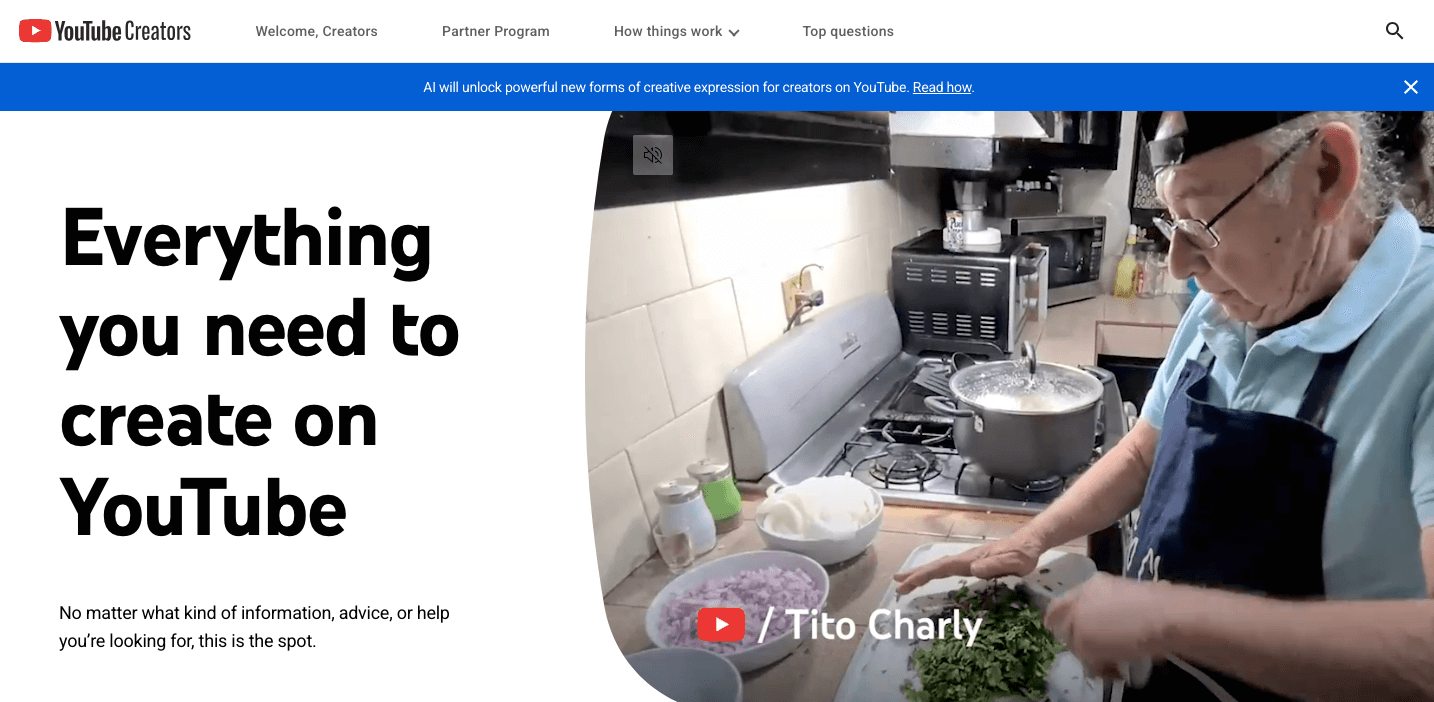
If you’re serious about growing as a creator, YouTube gives you one of the best opportunities to get discovered. With billions of users worldwide, your content won’t be limited to a small circle.
The platform’s ranking algorithm actively recommends videos to audiences most likely to watch. That means even if you’re just starting out, you still have a chance to break through.
To make the most of the platform, focus on creating engaging content that keeps viewers watching. It’s because watch time and retention heavily influence how your videos rank.
The content type that performs well on YouTube includes funny & gaming videos, reviews, educational content, music, vlogs, and short-form videos via YouTube Shorts.
Beyond visibility, YouTube offers a complete monetization system. And that includes ads, channel memberships, merchandise, and sponsorships.
If you stay consistent, create interesting videos for your audience, and nurture your community, you can turn YouTube into a long-term income stream.
Take MrBeast’s YouTube channel, for instance, which shows large-scale challenge vlogs & expensive stunts. The channel is one of the highest earners on the YouTube platform. Currently, it has 452M subscribers and an estimated monthly earnings of $4M-$13M.
Monetization Model
AdSense revenue: Earn anywhere between $5–$15 per 1,000 ad views
Channel memberships: Charge between $4.99–$49.99/month per subscriber for different membership tiers
Super Chat & Super Stickers: Fans pay to have their messages highlighted or to buy animated stickers during live streams or premieres
YouTube Premium: Receive revenue share when Premium members watch your content
Sponsorships & merchandise: Earn anywhere from $500–$5,000+ per sponsored video
Key Features
Free video hosting with unlimited uploads.
YouTube Shorts for quick & compelling content.
Live streaming & Premieres for real-time engagement with audience.
Detailed analytics on watch time, demographics, and retention.
Built-in tools for editing, captions, and end screens.
A Community tab for sharing posts, polls, and updates.
Pros
A global audience and algorithm-driven discoverability
Evergreen content that continues to earn over time
SEO-friendly videos that can rank on both Google and YouTube
Cons
High competition, channel growth requires dedication & consistency
Also Read: How to Drive Traffic from YouTube to Your Membership Site?
5. Veed
Best for video content creators

To produce professional-quality videos quickly, you can go for Veed, a robust online video editing tool. You need not have advanced editing skills to use it.
It’s a perfect fit for YouTubers, social media influencers, marketers, educators, and podcasters who regularly create video content.
What makes VEED stand out is its simplicity and accessibility. You don’t need to download any software to use it, as everything runs in the browser.
With an intuitive drag-and-drop editor, you can trim, subtitle, add effects, or repurpose long videos into short clips effortlessly.
VEED also offers auto-captions, templates, brand kits, and AI-powered tools like text-to-speech and background noise removal that will help you produce polished content faster.
Teams can co-edit, share feedback, and manage projects in real-time, which makes it an ideal choice for group creators. Whether you’re editing a course, podcast clip, promotional reel, or tutorial, VEED will make it as smooth as typing a script.
Besides editing, VEED integrates AI video generation and subtitles in 100+ languages. This will empower you to reach wider audiences globally. Consequently, you will get faster workflows, higher production quality, and more time to focus on creativity and storytelling.
Monetization Model
Subscription Plans: Generate revenue through monthly/annual subscription plans that come with advanced export & editing features
Affiliate Program: Earn by partnering with affiliates who will promote your videos to their audiences
Commercial Use Licensing: Sell your created or edited videos to clients
Key Features
An online video editor that offers a user-friendly & drag-and-drop interface
Auto-subtitles and translations available in multiple languages
Screen & webcam recording capabiities
A brand kit to ensure consistency in logos, fonts, and colors
AI-powered audio cleanup and background removal features
Collaboration tools designed for teams and shared projects
Templates tailored for YouTube, TikTok, and social media formats
Pros
Beginner-friendly and entirely browser-based
Fast editing workflow, thanks to AI automation
Robust collaboration and brand consistency maintenance tools
Ideal for repurposing content across various platforms
Cons
Requires an Internet connection (No offline editing available)
Render times can vary for longer or HD projects
#Website Creation & Management
6. EzyStudio
Best for digital creators, bloggers, and designers

EzyStudio will empower you to launch striking & high-performance websites in record time with its AI website builder.
You just describe your content niche or style, and the platform will instantly generate a personalized design complete with pages, layouts, and visuals that align with your brand.
No coding or design skills are needed! EzyStudio’s smart automation takes care of all the technical aspects, so you can focus on creating.
The built-in blogging and SEO tools make publishing and ranking content effortless. You can manage blog posts & landing pages, optimize metadata, and generate structured data automatically.
Its automatic SEO engine continuously fine-tunes your site’s performance to enhance visibility across search engines without manual intervention.
EzyStudio also integrates smoothly with third-party tools and APIs. This will enable you to connect analytics platforms, email marketing tools, CRMs, or affiliate systems with just a few clicks.
Plus, with smart multi-layer caching, pages load ultra-fast, which enhances user experience and SEO rankings simultaneously.
If you love control over your designs, the advanced customization options will allow you to tweak layouts, add custom scripts, or design dynamic elements directly within the editor.
Whether you’re scaling a content portfolio or launching a new digital brand, EzyStudio ensures flexibility, performance, and creative freedom.
Monetization Model
Selling Blog Posts: Create paid blog content that your audience can access through one-time payments or subscription plans.
Complete Websites: Design and develop full websites and sell them as ready-made solutions or custom builds for clients.
E-Commerce Products: Sell both physical and digital products. Manage inventory, product variants, and pricing options.
Custom Domains: Offer custom domain setup and management for clients. Charge for connecting a domain to their website and managing domain-related settings.
Offering CMS Access: Clients can pay to access your CMS, manage their content, and use pre-built templates and site blocks.
Key Features
An easy-to-use & drag-and-drop AI website builder
Allows 1-Click site publishing in seconds
Choose from 250+ pre-built design templates
Access to 500+ ready-made UI blocks/sections
Powerful widgets & advanced animations for site enhancement
Allows creating & managing unlimited projects easily
Built-in e-commerce integration tools
Pros
Super fast and beginner-friendly setup
Excellent automation for SEO and page speed
Deep integration with external tools and APIs
Perfect for personal brands and growing creators
Cons
The white label dashboard is only available in the Agency plan
7. WordPress
Best for blog & website content creators

WordPress provides complete ownership of your content. It allows you to design, publish, and grow your brand from a single dashboard.
Whether you want to start a personal blog or build a full-fledged content website, WordPress gives you the freedom and scalability to do both.
You can publish a wide range of content types. And that includes blog posts, podcasts, videos, photo galleries, newsletters, and even membership-based content.
WordPress’s Gutenberg editor & media management tools make it easy to format, schedule, and optimize every post for your audience and search engines alike.
One of the biggest advantages for content creators is access to thousands of plugins. They are designed to simplify creation and monetization.
Plugins like Rank Math, Elementor, and WPForms will help you plan, optimize, and manage content workflows seamlessly.
Monetization Model
Display ads via Google AdSense or ad management plugins
Offer paid memberships or exclusive premium content
Sell digital products, courses, or services using WooCommerce
Run affiliate marketing campaigns with plugin integrations
Accept sponsorships, donations, or even paid guest posts
Create subscription-based newsletters or gated content
Key Features
An open-source CMS that gives you full customization control
Access to thousands of free and premium themes & plugins
Integrations for SEO, analytics, and ecommerce
Built-in media management and scheduling tools
Flexible user roles and support for collaboration
Pros
Ideal for all types of content creators
Full ownership and control over your platform
Highly customizable with a variety of plugins and themes
Scalable for individual creators or teams
Cons
Some plugins or themes may face compatibility issues
Performance can vary based on your hosting quality
#Social Media & Networking
8. Instagram
Best for visual content creators
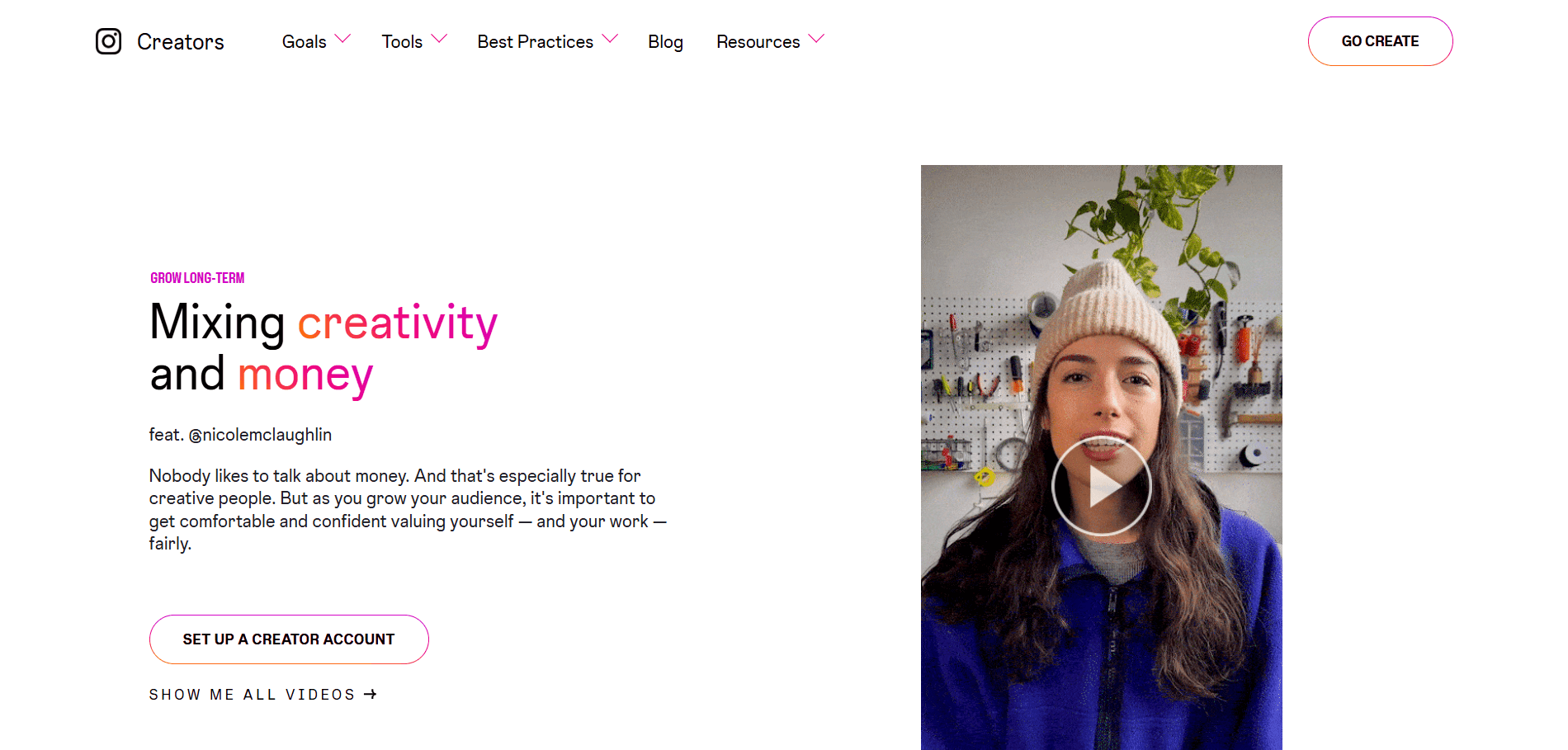
With Instagram, you can connect with audiences through visuals in multiple ways. Reels, stories, carousels, static images, and live sessions, all of which you can share and showcase your creativity.
Top creators use these formats strategically. For example, popular Instagram influencer Chris Burkard regularly shares adventurous travel reels on his channel. Dean Schneider is known to share wildlife wonders through his jaw-dropping images & reels.
Also, Marta Sierra, a Forbes-listed best fashion influencer, comes up with elegant outfits on her channel. Educators and coaches also use carousels and short Reels to share quick lessons and tips.
What makes the platform a good fit for content creation is its massive reach ability. Hashtags, the Explore page, and built-in SEO tools help creators grow quickly and reach new followers.
Instagram also encourages interaction through comments, DMs, and polls that make it easy to build strong communities.
However, with millions of creators publishing daily, it’s challenging to stand out on this platform. So, diversify your content, post consistently, and juggle multiple formats at once.
If you balance authenticity with strategy, you will achieve sustainable growth and long-term success in this platform.
Monetization Model
Brand Collaborations & Sponsorships: Team up with companies to promote their products or services.
Affiliate Marketing: Share unique & trackable links with affiliates and earn a percentage from every sale they make.
Instagram Subscriptions: Offer exclusive Lives, Stories, or badges for paid followers.
Ad Revenue from Reels: Earn from ads displayed in your eligible video content.
Merchandise & Services: Sell your own products, courses, or services directly to your audience.
Creator Marketplace: Link up with brands looking for influencer partnerships.
Key Features
Reels for fast & catchy videos
Stories & Highlights for both real-time and evergreen content
Carousels for interactive & swipeable posts
IG Live for connecting with your audience in real-time
In-app analytics for valuable insights
Shopping features that allow product tagging
Pros
Access to a huge global audience and increased visibility
Variety of content formats to keep things fresh
Robust community engagement tools
Cons
Monetization options are restricted to specific countries
Requires having at least 10K followers to start monetizing
Also Read: How to Get Monetized on Instagram in 2025
9. TikTok
Best for short-form video content creators
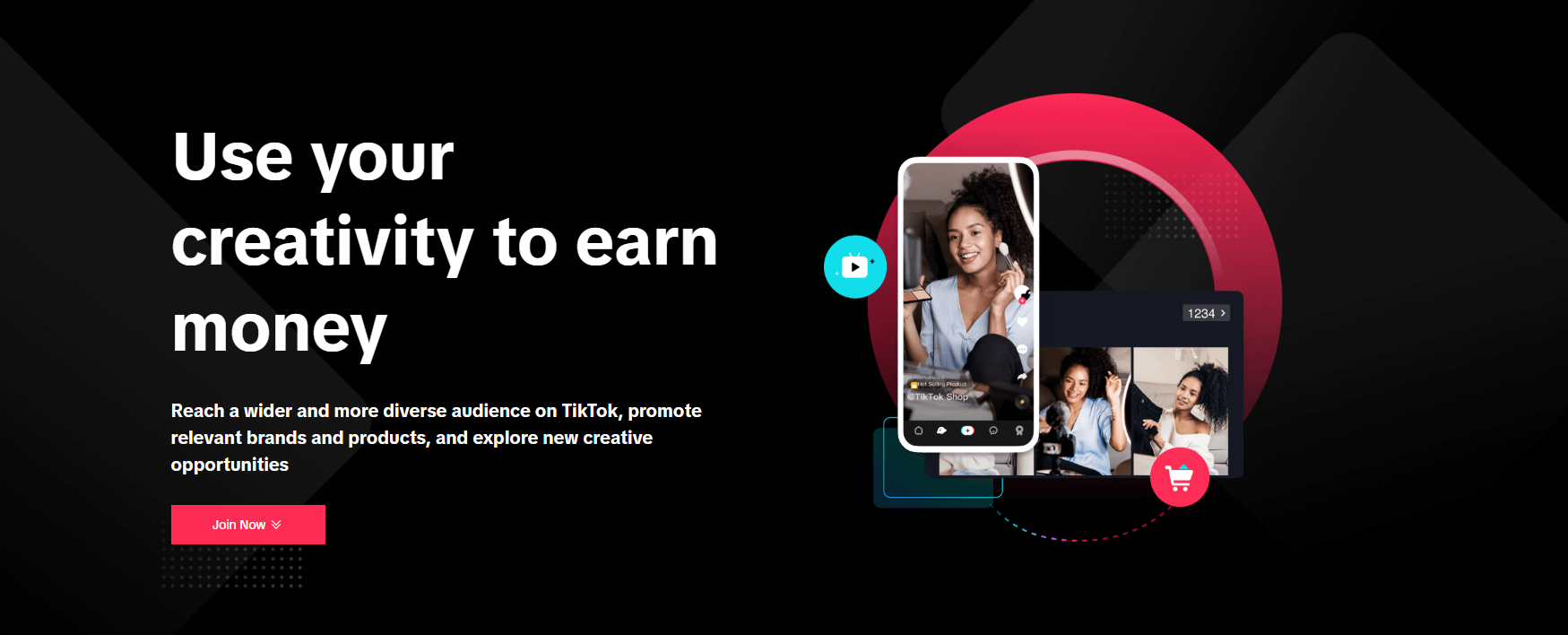
TikTok has become the go-to platform for creators who want to reach massive audiences fast. They often create short and catchy videos with fun & humor to appeal to the masses.
As of the latest report by Statista, TikTok has 1.58 billion monthly active users globally. They forecast that by 2029, it will hit 2.35 billion monthly active users.
The app’s algorithm prioritizes creativity, engagement, and watch time. That means anyone can go viral if their content hooks viewers early and keeps them watching.
You can post a wide variety of content on TikTok. But the following content types work the most on TikTok-
Trend-based videos using popular sounds or effects
Punchy storytelling or skits
Humorous or emotional clips
Educational content condensed into under 60 seconds
Authentic “real-life” moments
TikTok rewards regular posting and quick adaptation to trending topics. So, focus on staying active and flexible.
Successful creators usually post 1–3 times daily. They experiment with trends, sounds, and formats to see what performs best.
That being said, you may face challenges like rapid trend cycles, creative burnout, and the need to maintain constant engagement here. The virality on the platform is also unpredictable. Hence, you must focus on sustainable growth instead of chasing one-hit videos.
Khaby Lame’s silent reaction videos, Alix Earle’s relatable lifestyle vlogs, and Emily Zugay’s funny logo redesigns can be exemplary TikTok content. Each of these creators, with their content, shows that creativity & authenticity matter for sustainability on TikTok.
Monetization Model
TikTok Creator Fund: Pays creators based on the number of video views and engagement.
TikTok Pulse: A revenue-sharing program that places ads next to top-performing videos.
Brand Partnerships & Sponsorships: Creators earn by promoting various brands or products.
Live Gifts & Coins: Viewers can send virtual gifts during livestreams, which can be exchanged for cash.
TikTok Shop / Affiliate Links: Earn commissions by promoting and selling products directly through your content.
Creator Marketplace: Connects brands with creators for paid collaborations.
Key Features
Allows short-form video creation (Up to 10 minutes)
Access to built-in editing tools, filters, and effects
Utilize a trending sound library and viral challenges
Benefit from a powerful algorithm for content discovery
Enjoy live streaming and in-app shopping integration
Analytics and insights to track performance as a creator
Pros
High potential for virality, even for new accounts
Fast audience growth and increased brand exposure
Access to engaging creative tools and trends
Strong community engagement
Cons
Unpredictable algorithm that can lead to inconsistent reach
Monetization rates can be lower for smaller creators
Also Read: How to Get Monetized on TikTok
10. Twitter (X)
Best for thought leaders & industry experts

On Twitter, you can share bite-sized insights, opinions, humor, or news that spark discussions and build communities around your niche.
You can use Twitter to post threads, polls, short videos, memes, and quote tweets to keep your audiences engaged. Consistency and timing are key on Twitter. That’s why make sure to tweet multiple times a day to boost visibility and encourage interactions.
Some of the Twitter posts that get traction include educational threads, witty one-liners, behind-the-scenes posts, and hot takes on trending topics.
Prominent creators like Sahil Bloom, Naval Ravikant, and Ali Abdaal have built strong personal brands and even launched businesses through their Twitter audiences.
Twitter’s power lies in its network effect. That means one good tweet can reach millions through retweets, replies, and mentions. So, it’s not just about content, it’s about conversation.
All in all, it’s an incredible platform to grow visibility & connect with influencers. You can also drive traffic to other platforms like YouTube, blogs, or newsletters.
Monetization Model
Ad Revenue Sharing: Verified users with strong engagement can earn through ad revenue sharing
Tips and Donations: Receive direct support via X’s built-in handy “Tips” feature.
Paid Subscriptions: Provide exclusive content to followers through paid memberships.
Brand Partnerships & Sponsorships: Collaborate with brands for sponsored posts and promotional campaigns.
Affiliate Marketing: Promote products or services with affiliate links to earn commission.
Key Features
280-character tweets and long-form “Notes” feature for deeper insights
Thread support for storytelling and educational posts sharing
Audio Spaces for hosting live conversations and discussions
Media sharing options for images, GIFs, and short videos
An Analytics dashboard to track engagement & get insights
Monetization tools like tips and subscriptions to boost earnings
Pros
High potential for virality and organic growth
Excellent for personal branding and networking opportunities
Instant feedback and community interaction
Easy to repurpose content for other platforms
Cons
High competition and a fast content decay rate
Monetization requires verification and a significant level of engagement
11. LinkedIn
Best for career-focused creators

LinkedIn serves as both a stage and a networking hub for content creators. The platform will allow you to share posts, articles, videos, and newsletters that reflect your expertise and personal brand.
It’s a platform that will help you turn your insights and expertise into a long-lasting professional value.
The platform is designed to strengthen your credibility. While other networks lean toward entertainment, LinkedIn favors genuine, consistent, and value-rich content.
You can share your learning journeys, industry opinions, or behind-the-scenes experiences here. This visibility can attract job offers, collaborations, speaking gigs, and brand deals.
However, the biggest hurdle for creators here is balancing authenticity with professionalism. The algorithm loves engagement. But going too casual or too salesy can push your audience away.
Also, with more creators joining the platform over time, strong positioning and steady engagement are essential to stand out.
Monetization Model
Make money through LinkedIn’s Creator Accelerator or Ad Revenue Programs (region-based)
Brand Sponsorships & Partnerships: Gain brand sponsorships and partnerships via visibility and niche authority
Lead Generation: Generate leads for your personal services, coaching, or consulting business
Promotion: Promote premium courses, newsletters, or memberships to a wider audience
Key Features
Creator Mode and newsletters to engage your audience
Live video, audio events, and polls to interact with your followers
Article publishing and document sharing to showcase your expertise
Detailed analytics and engagement metrics to track your performance
Professional networking and DM outreach tools to connect with others
Pros
Builds professional authority and credibility in your field
High organic reach for valuable and authentic content
Excellent networking and collaboration opportunities
Can indirectly boost your income through leads and partnerships
Cons
Limited options for direct monetization
The algorithm and reach can fluctuate unpredictably
#AI Content & Writing
12. Writesonic
Best for content writers & marketers

If you need to create search-optimized & high-performing content faster, Writesonic is what you need. Beyond traditional SEO, it’s also built to boost visibility in AI Overviews & LLM platforms through AEO and GEO.
The AI tool ensures your content gets mentioned & cited by AI Overviews & AI platforms like ChatGPT, Google Gemini, Perplexity, and more.
Writesonic will help you write factually accurate, conversational, and structured content. It will also suggest adding high-value external links to your content. Consequently, your site will gain authority over time and become more likely to show up in AI results.
Its advanced AI models help craft people-first content that aligns with EEAT (Experience, Expertise, Authoritativeness, and Trustworthiness) standards. And this alignment is a must for visibility across the AI platforms.
Regardless of your niche, you can generate blog posts, video scripts, captions, and product descriptions that rank & convert with the tool.
Plus, its SEO meta generator, keyword optimizer, and AI fact-checker ensure your content is well-equipped in today’s modern search landscape.
Also, if your focus is on maximizing reach and engagement, Writesonic has the ability to enhance your content’s visibility. It maintains content’s tone, style, & topical depth, and helps your work show up more often, in more places.
Monetization Model
Ads & Affiliates: Monetize your optimized blog posts and websites via ads or affiliate links
AI Content Services: Offer AI content writing services with Writesonic
Templates & Scripts: Sell SEO-optimized templates or scripts created with Writesonic
Sponsorships: Grow reach and attract sponsorships through higher content visibility
Newsletters & Subscriptions: Use Writesonic’s content for newsletters or paid content subscriptions
Key Features
Supports multiple content types like blog posts, captions, ads, and product pages
Sonic Editor or Mode for writing & editing, like Google Docs but with AI capabilities
Keyword optimization tailored for SEO, AEO & GEO
Fact-checking and citation tools
Smooth integration with Surfer SEO, Zapier, and WordPress
Multi-language support available
Pros
Enhances your content’s ranking & citation across multiple AI platforms
Fast, versatile, and easy to use for different content formats
Maintains brand voice consistency and stresses fact-based writing
Cons
The output may need some tweaking for tone or accuracy
13. ChatGPT
Best for researchers, writers & marketers

ChatGPT will let you generate compelling scripts, captions, blog posts, images, and creative prompts within seconds.
Whether your content entails YouTube videos, Instagram reels, or just blogs, all are within ChatGPT's reach. Its strength lies in understanding tone, audience, and context. And that’s what makes it a great tool for producing diverse forms of content.
ChatGPT shines with its ability to provide efficient results. You don’t have to spend hours researching or drafting. Rather, you can ideate, outline, and write content in a fraction of the time.
It’s not just about speed, ChatGPT’s AI magic also provides a clear structure, grammar corrections, and idea expansion. This will reduce your editing time & help you stay consistent with your publishing schedule.
Monetization Model
No Direct Monetization: ChatGPT itself doesn’t offer direct monetization opportunity.
Monetized Content: Create monetizable content like blog posts, YouTube scripts, or social posts.
Content Services: Monetize by offering ChatGPT-assisted writing or content creation services.
Key Features
AI-powered writing, ideation, and editing
Support for multiple content types and tones
Integration with productivity and marketing tools
Context-aware responses for detailed and personalized output
Ongoing improvements and real-time adaptability
Pros
Speeds up content creation and idea generation
Helps maintain quality and consistency
Reduces research time and workload
Adaptable for different industries and content types
Cons
Might lack emotional depth in some creative contexts
Limited originality without user input
#Audio & Podcast
14. Spotify
Best for podcasters & musicians

Spotify is a major content creation platform for podcasters, musicians, and audio storytellers.
Platforms like Spotify for Podcasters and integrations with Anchor, make it easy to record, edit, and share content with a global audience.
Whether you’re sharing deep-dive interviews, music albums, educational podcasts, or narrative stories, Spotify gives your voice a global stage.
The platform is especially suited for audio-first content creators who want reach and discoverability without the heavy lifting of technical setup.
It automatically distributes your content across devices and regions. This exposure will help you grow your audience through playlists, algorithmic recommendations, and personalized feeds.
Beyond distribution, Spotify provides detailed analytics, listener demographics, retention rates, and engagement insights. These features will allow you to refine your content strategies and attract sponsorships.
Monetization Model
Ads & Sponsorships: Earn money by adding advertisements and sponsorships right into your podcast episodes
Paid Subscriptions: Get support from your listeners through paid subscriptions or donations
Spotify Audience Network: Tap into the Spotify Audience Network for programmatic ad placements
Music Royalties: Distribute music royalties using Spotify for Artists
Subscriber-only Episodes: Offer exclusive content or subscriber-only episodes via Spotify for Podcasters
Key Features
An intuitive Spotify for Podcasters dashboard that includes analytics & monetization tools
Smooth integration with Anchor for easy recording and publishing
Global audience reach with personalized recommendations
Gain insights into listener engagement & metrics
Options for creating exclusive and subscription-based content
Pros
Free hosting and distribution for your podcasts
Simple integration with recording and editing tools
A robust analytics and monetization ecosystem
Cons
Limited content format (audio only)
Creative control can be specific for exclusive deals
#Writing & Publishing
15. Medium
Best for bloggers & writers

Medium lets writers, journalists, bloggers, and thought leaders share ideas, insights, and stories with readers worldwide.
It’s ideal for creators who prioritize quality writing over algorithms. And also, want their content to reach readers who genuinely value meaningful stories.
With millions of active users, Medium has become a hub for professionals and creatives across industries, including tech and marketing.
What makes Medium stand out is its clean, distraction-free writing environment and built-in audience base. You don’t need to worry about SEO or social media promotion.
With its focus on promoting compelling & relevant stories, Medium helps writers build an audience organically. They don’t have to spend time building intricate content strategies.
Medium will also help you build credibility and authority through publications, topic tagging, and a supportive community of readers and writers.
Whether publishing essays, tutorials, or personal stories, it will help you get noticed and connect with readers who share your interests.
Monetization Model
Medium Partner Program: Earn money based on members’ reading time and engagement rate
Referrals: Make money from readers who subscribe via your referral links
Publications: Build niche publications and attract more paid readers
Brand Collaborations: Team up with brands for established writers with a loyal following
Key Features
A minimalist editor that lets you write without distractions
Built-in audience and topic-based distribution
Analytics and stats to track reader engagement
The Medium Partner Program for monetization opportunities
Publication tools for managing multiple writers
Custom profile and newsletter integration
Pros
Easy to start writing with no technical setup
The built-in audience helps new writers get noticed
A clean interface that emphasizes storytelling
Offers revenue potential through engagement-based payouts
Cons
Earnings depend on Medium’s algorithm and members’ reads
Not ideal for creators looking to build independent websites
16. Substack
Best for writers, journalists & visual artists

Substack empowers writers, journalists, and creators to share and monetize content via newsletters, blogs, and communities.
Think of it as your personal newsroom, where you control the press, the audience, and the revenue. What sets Substack apart is its simplicity. You can focus entirely on writing while Substack handles the tech, email distribution, and payment infrastructure.
It’s especially built for creators who value independence. Like writers, thought leaders, and niche creators focused on audience ownership and subscriber growth.
Substack is like a digital magazine stand. But here, you don't have to fight for shelf space. All you have to do is build your own dedicated audience who opts in to read your work.
However, getting discovered can be tough here as Substack doesn’t actively promote creators or optimize for search. You have to utilize social media and other promotional platforms to attract subscribers.
Monetization Model
Newsletter Tiers: Offer both free and paid options for newsletter tiers
Subscriptions: Generate recurring revenue through monthly or annual subscriptions
Content Offerings: Include options for one-time or premium content offerings
Stripe: Use the integrated Stripe payment system for direct deposits
Paid Communities: Build paid communities with exclusive access or bonus content
Key Features
Newsletter creation and distribution tools
Custom domains and audience analytics
Integrations for podcasts and videos
Subscription management system
Community comments and engagement tools
Pros
Simple to set up and use, no tech hassle
Direct audience relationship through emails
Reliable recurring revenue model
Perfect for long-form and thought leadership content
Cons
Limited audience discovery options
Platform fees and Stripe transaction cuts
Also Read: 16 Best No Fee Substack Alternatives (Free And Paid)
17. Patreon

Patreon offers a subscription-based model that allows fans to directly support their favorite artists, podcasters, writers, and video creators. Here, you can build a loyal community of paying subscribers, or “patrons,” who will fund your creative work month after month.
Patreon stands out through its focus on community and creative freedom. It removes the pressure of chasing algorithms or ad views. Thus, it provides creators the independence to produce authentic content for their most engaged audience.
Whether it’s exclusive podcasts, behind-the-scenes videos, or personalized shoutouts, Patreon lets creators reward fans in exchange for monthly support.
The platform also provides flexibility and transparency in monetization. You can set different membership tiers, control their pricing, and engage patrons through private posts, polls, and messages.
No matter whether you are a musician, writer, YouTuber, or educator, Patreon will help you turn your followers into a sustainable source of recurring income.
Monetization Model
Membership Tiers: Charge fans monthly for exclusive access or perks
Pay-per-creation Model: Get paid each time you release new content
Exclusive Community Access: Private content, Discord servers, or events for patrons
Merch Integration: Automatically send branded merchandise to paying supporters
Referral and Affiliate Programs: Refer and hire promoters who will promote your Patreon Creator page
Key Features
Customizable membership tiers and pricing
Private posts, polls, and direct messages for patrons
Integration with Discord, WordPress, and YouTube
Analytics to track patron growth and engagement
Option to offer digital downloads or physical rewards
Simple payment and payout management
Pros
Provides consistent monthly income for creators
Encourages strong, direct relationships with fans
Highly customizable membership structures
Ideal for all creative types, from artists to podcasters
Cons
Patreon takes a service fee from earnings
Requires an existing fan base to see meaningful income
Also Read: Top 10 Patreon Alternatives for Your Online Business
#Design & Visual Creation
18. Canva
Best for graphic designers & visual creators

Canva can be your go-to platform if you want to design professional-looking visuals without advanced design skills. It’s especially useful for influencers, YouTubers, bloggers, and marketers who need consistent & branded content.
You can make diverse content types like Instagram posts, YouTube thumbnails, Pinterest pins, business cards, infographics, eBooks, resumes, and marketing materials.
With Canva’s huge template library, you can maintain consistency and personalize designs with your brand colors, fonts, & layouts.
The platform works particularly well in lifestyle, beauty, fashion, fitness, and education niches. And it’s because visual consistency and aesthetics play a huge role in engagement here.
You can create carousel posts, infographic reels, and bite-sized quote graphics to enhance traction across social media.
Also, Canva’s template-based workflow makes it easy to experiment with different designs. Many creators use these templates, design their own custom templates, & sell them on Canva's marketplace.
Monetization Model
Custom Templates: Sell custom templates on Canva’s Creator Marketplace
Freelance Design: Offer freelance design services using Canva
Branded Design Kits: Create and sell branded design kits (Social packs & presentation decks)
Partner Program: Earn affiliate commissions through Canva’s Partner Program
Client Deliverables: Use Canva for building client deliverables (Branding, content packs, etc.)
Key Features
Huge number of ready-to-use templates
AI tools like Magic Resize, Magic Write, and Background Remover
Team collaboration and brand kit support
Animation and video editing tools
Cloud storage and cross-device access
Pros
Simple & beginner-friendly interface
Perfect for personal branding and client work
Affordable and time-saving
Cons
Requires Pro plan for many premium elements
Also Read: How to Sell Canva Templates Online & Build Passive Income
19. Midjourney
Best for visual artists & marketers

Midjourney has quickly become a go-to AI tool for content creators focused on visual storytelling, branding, and design innovation.
Its strength lies in producing high-quality, detailed, and artistically stylized images from simple text prompts.
Whether you’re an illustrator, marketer, or creative director, Midjourney’s image generation engine will allow you to bring abstract ideas to life within minutes. Its incredible ability makes it a powerhouse for thumbnails, social media visuals, book covers, ad creatives, and more.
Midjourney significantly minimizes the time needed to conceptualize and design visuals. You need not spend hours in Photoshop or commission custom artwork. Just iterate multiple concepts quickly via this tool.
The platform also supports community collaboration via Discord. Through this, you can explore inspiration, share outputs, and learn new prompting techniques to optimize your workflow.
Midjourney offers notable flexibility in artistic direction. You can control aesthetics, lighting, and composition through prompt engineering. From photorealism to surreal art, it caters to multiple content types and brand styles.
However, the tool has some drawbacks for content creators. For instance, it requires you to practice to craft effective prompts, outputs can be unpredictable, and fine-tuning often needs multiple iterations.
Despite these challenges, Midjourney is one of the best creative aids for visually oriented creators who value originality, speed, and style diversity.
Monetization Model
AI-generated Content: Create and sell AI-generated art, posters, or print-on-demand merchandise.
Custom Design Services: Offer custom design or illustration services using Midjourney outputs.
Visuals: Use visuals for YouTube, blog, or social media branding to enhance engagement.
Licensing: License AI-generated artwork for commercial use.
Paid Tutorials: Build paid tutorials or courses that teach Midjourney prompt engineering.
Key Features
Advanced AI image generation from text prompts.
Multiple style and aspect ratio controls.
High-resolution upscaling and variations.
Active Discord community for feedback and collaboration.
Regular model updates that improve realism and creativity.
Pros
Delivers exceptional image quality and artistic details.
Fast iteration for creative experimentation.
Huge style range from realism to abstract art.
Ideal for branding, storytelling, and concept design.
Cons
Requires Discord access (no standalone app).
Steep learning curve for prompt mastery.
Over to You
You now have the full breakdown of the 19 best content creation platforms for content creators. The platforms’ key features, benefits, pros & cons, and the monetization model are all at your fingertips.
Now, the ball is in your court! Choose the platform/platforms that match your niche. Let your creative style shine, and support your long-term goal.
Bear in mind, if your content can emotionally connect audience, it will always create positive results. Whether it’s text, image, video, or multi-media content, always strive to inform, inspire, and leave a message that your audience remembers.